1. Alpine Loop, Colorado

Distance: 63 Miles
Duration: 5 hours – 2 days
Difficulty: Easy-Moderate
Experience mountain views and the spirit of the Old American West come to life on the Alpine Loop trail in Colorado. The Alpine Loop is composed of 63 miles of trail that provides riders with a moderate trail length and difficulty that is well-suited for beginner overlanders.
According to The Compass, the region is rich in stories from the Ute Indian Tribe, 19th-century gold miners and ghost towns, perfect for stories around a campfire.
Although this trail is shorter than most overlanding treks, it is important to prepare properly. Pack plenty of water and carry physical maps, as there is little to no cell service. Lack of communication and navigational aid can become a safety risk if you are unprepared.
Lighting Tip: Fog and shadows roll in fast on alpine roads. mpower® ORV 2×1 lights keep switchbacks bright and visible at dawn.
2. Dixie National Forest, Utah

Distance: ~40 to 100 miles, depending on the route you take.
Trip Duration: 2–3 days is ideal to explore highlights, camp and take in both the red rock desert and the Alpine Forest terrain.
Difficulty: Easy-Moderate
With nearly 2 million acres to explore, Dixie National Forest offers a wide variety of landscapes, from towering red rock formations to shaded forest trails.
Due to its varying terrain, overlanders can choose between cliffside drives or winding routes through spruce and pine, making it an ideal destination for both beginners and seasoned adventurers.
One popular route, Hell’s Backbone Road, stretches 38 miles across the forest and rewards travelers with sweeping canyon views and access to remote camping spots.
Lighting Tip: Remote campsites here mean zero light pollution. mpower® Dual Stacked Kit lights flood your basecamp so you’re not fumbling for gear after dark.
3. Mojave Road, California

Distance: About 150 miles
Duration: 2-3 days, depending on pace and time for exploration.
Location: Mojave Desert, California
Difficulty: Moderate-Advanced
Embark on an adventure across a historic desert route that traces the footsteps of the Mojave people and early American settlers. Along the way, you’ll find miles of dusty tracks, abandoned mines, rolling dunes and shallow river crossings.
As a rite of passage, stop at the Traveler’s Monument, where you can leave a rock or token among the stones and mementos left by those who traveled before you. Watch this YouTube video to see the overlanding crew at Jonny Taco Outdoors take on the Mojave trail.
Due to river crossings, rocky segments, and shifting sand, the Mojave Road is moderately difficult for overlanders. Preparation may vary depending on how fast you want to ride, but spare tires, GPS navigation and lots of water are must-haves. Safety information and weather advisories can be found on the National Park Service website.
Lighting Tip: The Mojave can be pitch-black at night – an mpower® ORV 18″ Lightbar throws a beam far enough to spot dips and ruts long before your stock headlights.
4. Denali Highway, Alaska

Distance: 135 miles
Duration: 2 – 3 Days
Difficulty: Easy-Moderate
Discover an Alaskan overlanding paradise, surrounded by snowcapped mountains and endless stretches of spruce forest. As you drive along the 135 miles of trail, you will see firsthand why the Denali Highway is widely considered the most beautiful road in Alaska.
Although the Denali Highway isn’t typically considered challenging for overlanders, the road is mostly dirt and travelers can be scarce, so preparation is essential. Access to the gear checklist and preparation tips can be found on the National Park Service website.
Additionally, harsh Alaskan winters limit the highway’s availability throughout the year; the Denali Highway is only open for exploration from mid-May to early October.
Lighting Tip: Weather shifts can decrease visibility and wildlife like moose and caribou often roam the road at dawn, dusk and during overcast conditions. An mpower® ORV 24″ Lightbar helps see the road and wildlife before it’s too late.
5. Georgia Traverse, Georgia

Distance: About 390 miles
Duration: 2-3 Days
Location: Begins along the Georgia/South Carolina border, with sections in North Carolina and Tennessee, ending at the Georgia/Alabama Border.
Difficulty: Easy-Moderate
The Georgia Traverse is a combination of red dirt roads, river crossings and forest views, but what is just as inspiring as the road itself is its creation.
Years ago, a man named David Giguere had an aspiration to create a trail for overlanders to travel across Georgia. Over the course of several years and hours of exploration, research and documentation, he developed 390 miles of road, stretching across five states. The Georgia Traverse Road is truly a testament to those who value the journey over the destination.
It is important to stay up to date on weather conditions and trail complications before exploring the Georgia Traverse, as river crossings and mud can make the trail difficult to impassible.
Lighting Tip: River crossings are the defining challenge of this route. Reliable lighting like the mpower® ORV 6×1 will help you gauge water depth, spot hidden rocks and identify slippery approaches so you can enter with confidence.
6. High Water Mark Trail, Arkansas

Distance: About 140 Miles
Duration: 3-4 days
Difficulty: Easy-Moderate
Winding through the Ozarks, the High Water Mark Trail provides 140 miles of remote forest terrain. Overlanders who ride this route will witness the robust Ozark National Forest, with its unique mountains and scenic riverways.
Although this trail is open all year round, the fall season is the best time of year to ride this trail. When the temperature is cool and the trees are bursting with autumn colors, the forest comes to life.
The trail is considered easy to moderate since most of the route takes you through mild forest roads. If you are looking for more technical wheeling, there are side trails to check out. Read more about trail preparation and details.
Lighting Tip: River crossings can be tricky, even more so if your lights get damaged in the water. mpower® lights silicone lens technology with an IP67 rating for water protection, keeps your lights trail-ready even after temporary water immersion. Check out mpower® ORV 12” Lightbar for maximum front bumper lighting.
7. Trans-New Hampshire Overland Adventure Route

Distance: About 500 miles
Duration: 3-5 days (depending on route)
Difficulty: Moderate
Explore the East Coast on the Trans-New Hampshire Overland Adventure Route. Stretching from New Hampshire’s Canadian border down to the Atlantic coast, this trail will bring you by hidden waterfalls, muddy forest paths and secluded campsites along the way.
The route is self-guided, so overland travelers can stick to the stock-friendly logging roads early on or test their rigs on rougher terrain in the southern sections. Depending on where you wheel, the trail can get technical due to muddy and rocky paths, so it may become impassable for off-road vehicles with no technical modifications. Exploring NH offers guided and self-guided options, as well as access to interactive mapping software.
Lighting Tip: Install the mpower® ORV 2×1 Dual Stacked Kit as ditch lights, to help illuminate tight turns, roots and washouts, giving you better control as you wind through the forests.
8. Death Valley, California

Distance: 200-250 miles (depending on route)
Duration: 3-5 days
Difficulty: Easy-Moderate
Riding through the desert valleys and ghost towns of Death Valley is like going back in time. It combines the mystery of the Old West and the extreme conditions of the desert heat to provide a truly legendary overlanding experience.
As you wheel through the driest place in North America, you will see the towering Trona pinnacles, the colorful hills of the Artist’s Palette, and the ancient saltwater flat that is the Badwater Basin.
Due to its extreme heat and dry climate, overlanding through Death Valley can be dangerous. Water is your top priority, as well as reading up on the latest regulations and trail updates. Dispersed camping is only allowed in specific areas of Death Valley National Park. Stay up to date on park regulations.
Lighting Tip: Death Valley’s desert terrain can kick up a thick clouds of dust behind your rig, so if you are traveling in a group, the mpower® ORV Chase Light Kit can help you stay visible to those following behind you, or vice versa.
9. Daniel Boone Backcountry Byway

Distance: About 100 miles (main loop), up to 500 miles (full DBBB system)
Duration: 2-3 days
Difficulty: Easy-Difficult (wide range of routes available)
The Daniel Boone Backcountry Byway takes overlanders through the deep forests and historic backcountry of Kentucky. On this route, you will have the chance to explore natural arch formations, wheel through creeks and discover misty waterfalls. After a long day of wheeling, kick back by a campfire at a secluded campsite.
Depending on what level of technicality you are looking for, there are several roads to choose from on this route. Read more about specific routes and trail preparation.
Lighting Tip: Equip your rig to punch through the trail ahead with the ORV Interior Lightbar. It’s a smart choice for overlanders who want serious lighting performance without adding bulk to their roofline or bumper.
10. Buttermilk Country Loop, California

Distance: 18-20 miles (loop)
Duration: ½ day – full day (trip can be extended depending on stops along the trail)
Difficulty: Easy-Moderate
The Buttermilk Country Loop may be short, but it’s packed with incredible views and varying terrain. Nestled in the Eastern Sierra Nevada Mountains, this trail is renowned for its expansive views of the mountains and forests.
While on this trail, you can visit spots like Lake Sabrina, which provides overlanders with a perfect fishing spot. However, if you like to camp out, you can set up off the beaten path or spend the night at one of the nearby established campgrounds. Although this road is generally considered moderate, due to rocky sections and washouts, a stock 4X4 high clearance vehicle is required. Read more about technical details and vehicle specifications.
Lighting Tip: Early starts here mean frosty glare and uneven terrain. mpower® 4″ Fascia Lights keeps the path clear and your wheels on track.
Sources:
- Alpine Loop
- Dixie National Forest:
- Mojave Road
- Denali Highway
- Georgia Traverse:
- High Water Mark Trail
- Trans New Hampshire Adventure Route
- Death Valley
- Daniel Boone Country Byway
- Buttermilk County loop
Articles You Might Like
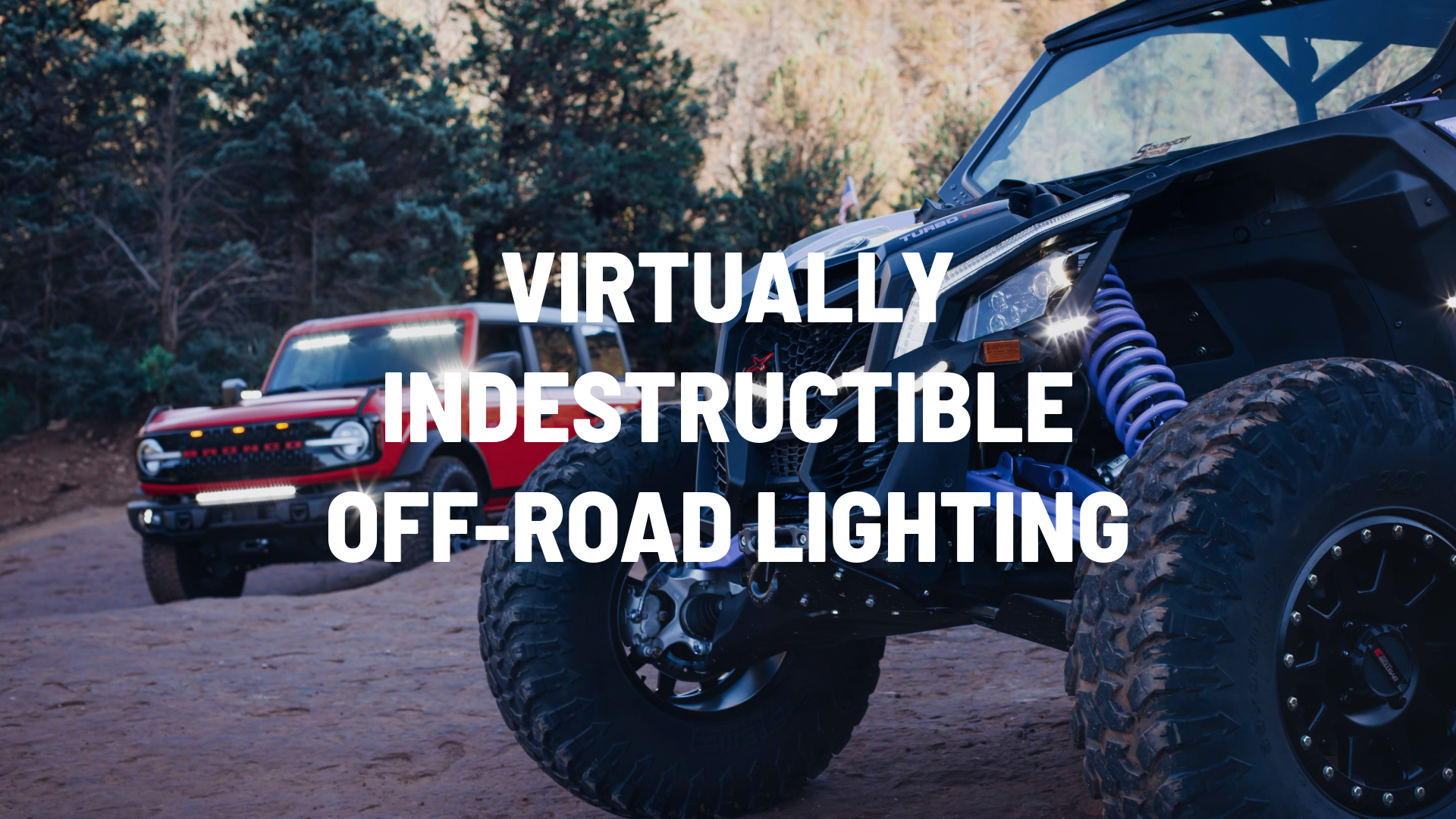
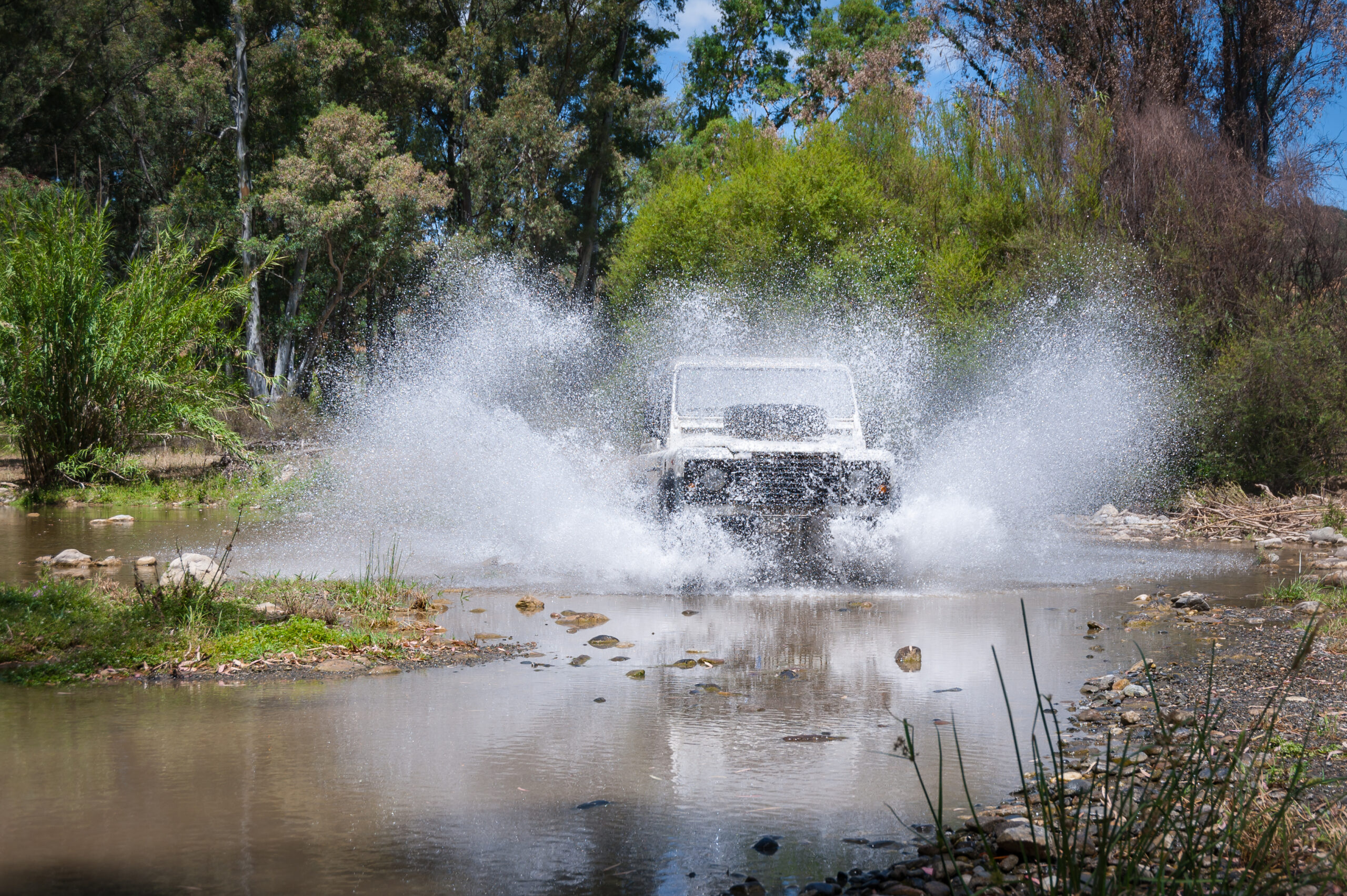
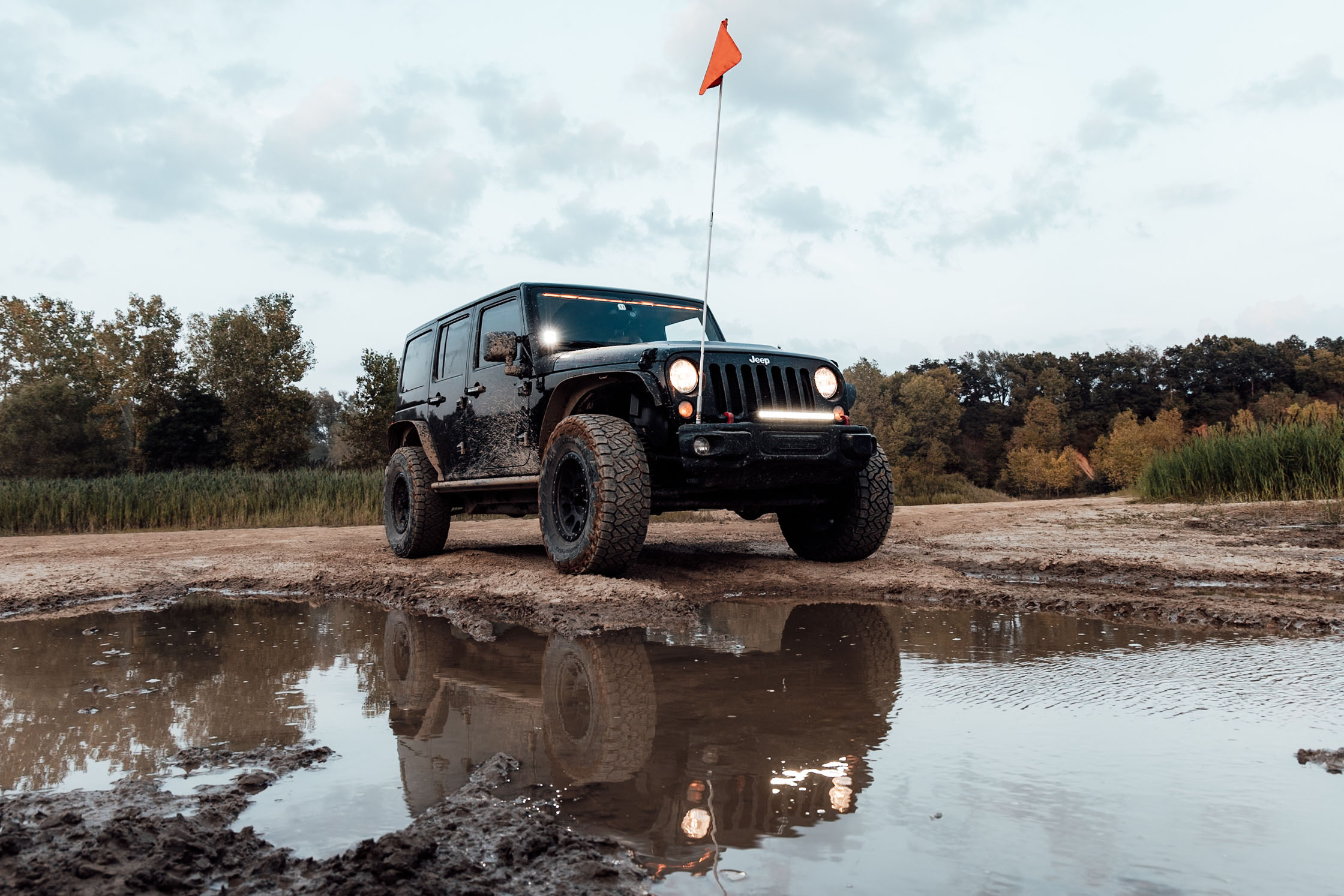
Illuminate your off-road adventures with mpower
There are no street lights where you’re headed. That’s the way you like it. But whether you’re headed up the side of a mountain, getting down and dirty in a mud bog, or racing across snow-covered fields, you’d better have a clear view of whatever lies ahead.